
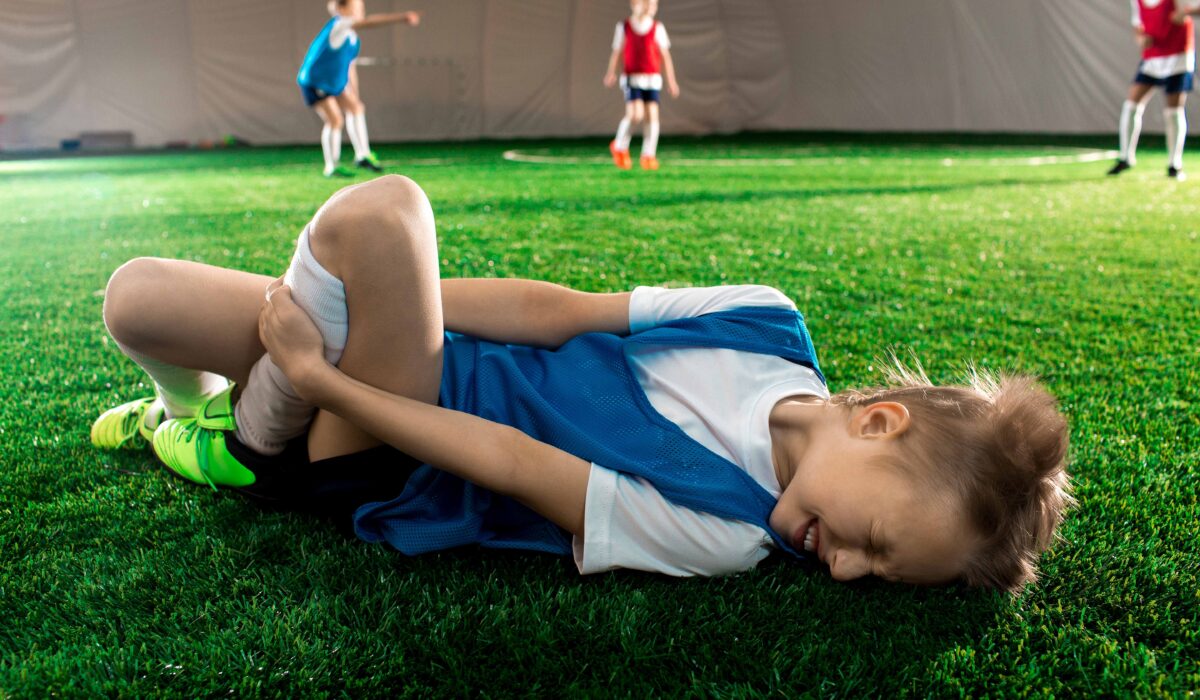
The peak of adolescent activity often coincides with a period of vulnerability to injury. Prevention seminars are an opportunity to create conditions in which girls can actively and safely participate in sports while maintaining their health and motivation. These meetings help to form the right attitude towards physical exertion, showing that results should not come at the expense of the body. Here, teenagers learn techniques and a culture of caring for their bodies. The knowledge they gain gives them confidence that sport can be a source of joy without chronic pain.
Read also:
Soft2Bet: The Gradual Formation of an Solid Company Reputation
The Importance of Prevention
A notable gathering occurred in Norwalk which focused on teaching sports injury prevention methods to female athletes. The organisers convened for a discussion about technical methods and the need for trainers to implement conscious approaches including correct nutrition together with rest periods and age-appropriate exercise adaptations. The events serve as a beneficial opportunity for coaches along with parents and athletes to learn from each other about prevention which primarily requires knowledge instead of fear responses.
The initiatives promote sports team responsibility through which both coaching staff and players actively participate in health maintenance practices. Participants in such meetings take away safety tips and an understanding of the importance of psychological support within the team. This helps to structure training so that every girl feels confident in her abilities and knows that caring for her health is a natural part of her sporting journey.
Features of Injuries in Girls
The active involvement of girls in sports is a major achievement of social policy, but with this comes an increased risk of injury. Women are more likely to suffer anterior cruciate ligament (ACL) injuries, stress fractures, tendonitis and ankle sprains. Due to physiological and anatomical characteristics, girls are more often at increased risk.
The frequency of injuries is influenced by a combination of factors such as hormonal changes or the structure of the pelvis and the biomechanics of movement. Often, the cause of problems is a sharp increase in the intensity of training without a sufficient period of adaptation. Understanding these nuances helps to structure the training process in such a way as to reduce the load on vulnerable areas and strengthen the muscles that support the joints.
Why these injuries in particular?

Any injury is caused by a combination of factors. For example, weak muscles, incorrect landing technique and pelvic characteristics place increasedstress on the knee ligaments. Hormonal cycles, especially sharp fluctuations in oestrogen and relaxin, can reduce tissue strength and play a role in the occurrence of ACL injuries. Calorie deficiency during intense training, known as RED-S, reduces bone density and dramatically increases the risk of stress fractures.
Preventive Measures
Preventing sports injuries is a systematic approach in which every detail matters. Physical training and attention to the athlete’s psycho-emotional state are important, because stress and fatigue can imperceptibly reduce concentration and increase the risk of mistakes on the field. When prevention is built into the training process from the very first training sessions, it ceases to be perceived as a separate task and becomes part of the team culture.
Technical training and warm-up
Proper warm-up, training in safe landing techniques and stability in movement are the basis of training. Programmes aimed at strengthening stabilising muscles can halve the risk of ACL injuries.
Cross-training instead of specialisation
Adding combined activities such as swimming, ballet or yoga reduces repetitive stress on the same joints and muscles. This maintains the body’s flexibility, reduces tension and allows teenagers to develop better physically.
Nutrition and sleep control
RED-S is a common reality among young female athletes who strive for high performance. Calorie balance and hormonal background directly affect bone health, muscles, and recovery channels. Lack of energy is a reason to slow down and reorient your training regime, not to increase the load.
Individual approach
Programmes such as those at Loyola or Scripps, where athletes study with a doctor, trainer and physiotherapist, have made it possible to identify weak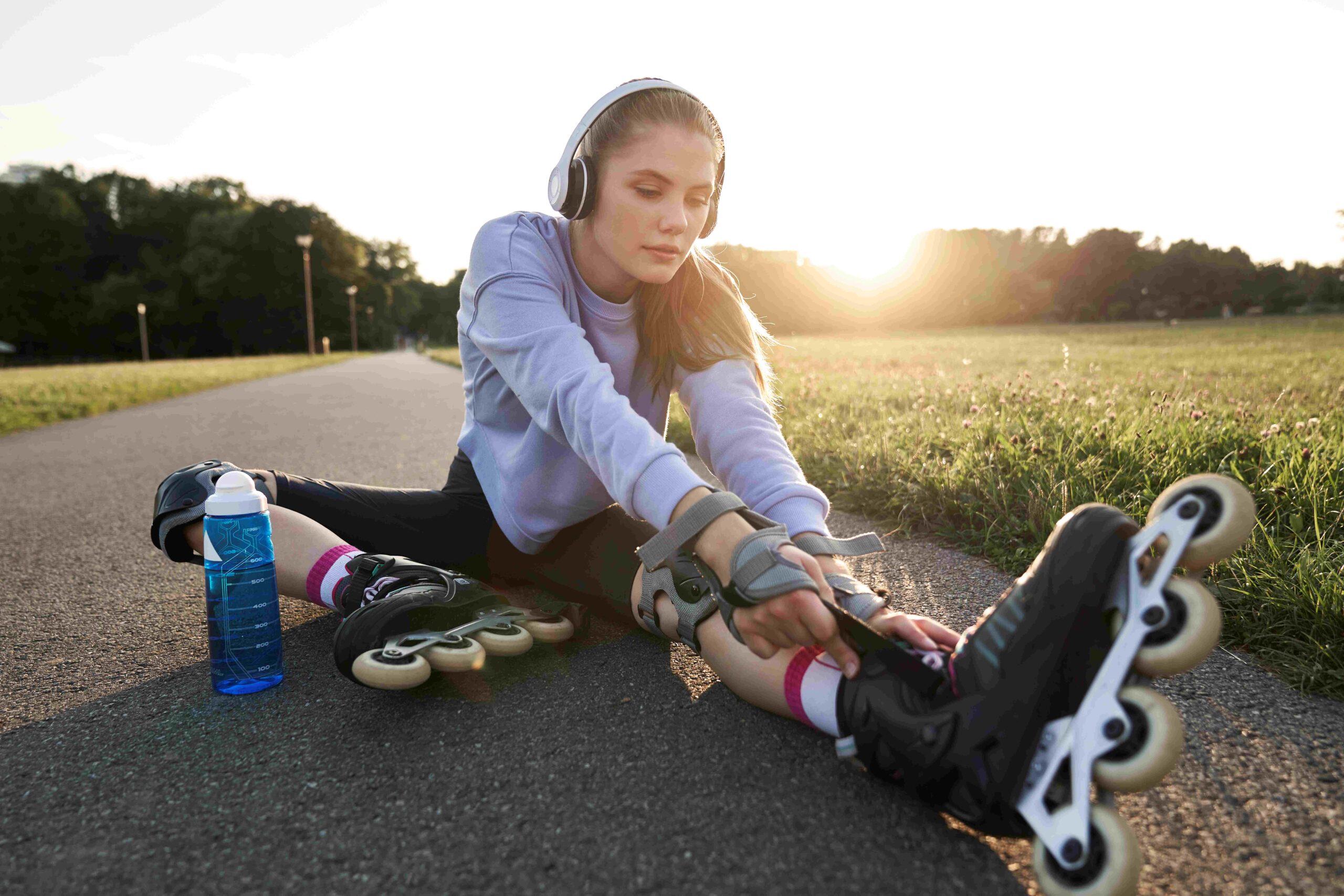 links and eliminate them before injuries occur. These programmes include balance, flexibility, biomechanical correction and equipment advice.
The success of these programs relies on the consistent participation of coaches along with parents and athletes themselves. The development of sport as a place for positive growth and self-assurance and talent development requires complete collaboration among all participants.
The Role of Education and Involvement
The awareness of parents, coaches and the girls themselves plays no less important a role than physical training. Understanding the signs of pain or fatigue means being able to reduce the load promptly and, in the future, avoid complications and disappointment.
An example of this is the competent model from Scripps, which combines specialised coaching with physical exercise, cycle tracking and recovery. Most injuries could be prevented if such support were available at all stages of an athlete’s development.
Wrapping Up
Caring for athletes’ health does not end with adolescence. The basis of life exists within this foundation. Girls who acquire proper training guidelines along with body respect knowledge tend to maintain physical activity while preserving flexibility and strength throughout their adult lives. The practice of taking care of oneself develops confidence alongside inner strength which supports handling physical obstacles as well as life challenges. Through this transformation sport becomes a source of energy and joy instead of being a pattern of injuries with mandatory rest periods.